
- Get Started
- Choose the right EV chargerLearn everything about home EV chargers: types, installation costs, solar integration, and bidirectional charging.
- How it works - EV chargersFind the right charger for your EV and get it professionally installed.
- How it works – Bidirectional EV ChargersLearn more about powering your home (V2H) and the grid (V2G).
- Understanding Home BatteriesLearn what a home battery is, how it works with your solar system, and the key benefits of adding battery storage to your home. Expert advice from Revcharge.
- Shop
- Pricing
- Resources
- Electric Car BrandsFind and install the right charger for your EV.
- About usLearn about Revcharge, our team, and our mission.
- Contact UsOur knowledgeable and friendly team is here to assist.
- Installer PartnersJoin our nationwide network of electrical installers.
- Home Battery Installers Near MeLooking for a trusted home battery installer in your area?
- Get a Quote Today
- Which Charger Do I Need?
Power your EV and your home.
Our bidirectional chargers don’t just charge your car — they transform it into a power source for your home or the grid.
Take our quick V2G readiness survey here, or click the button below to get an obligation-free, fixed-price quote for V2G charging.
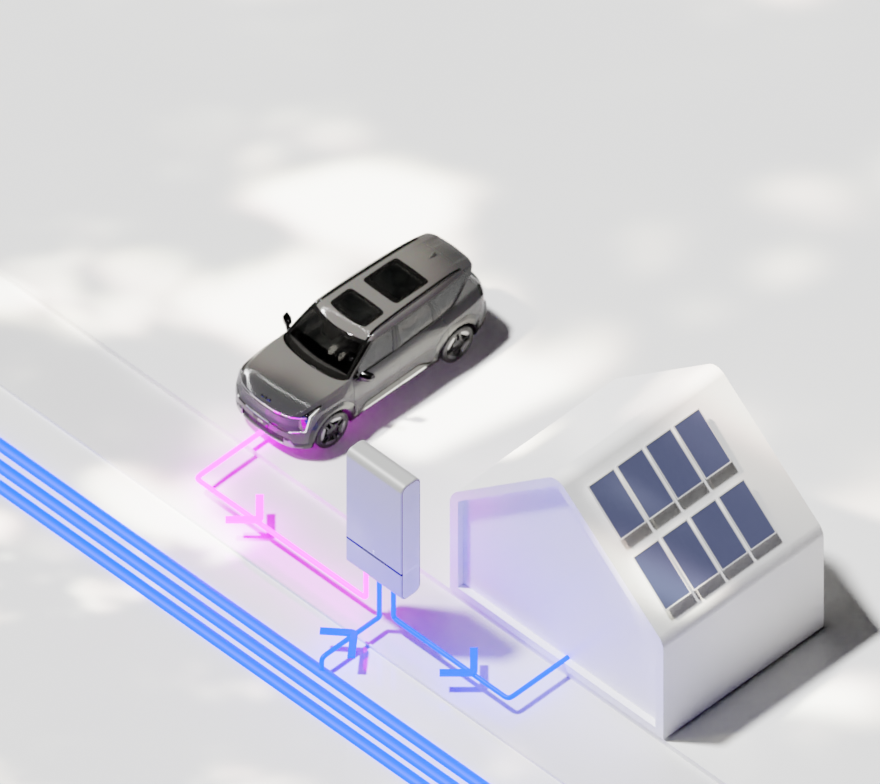
V2H/V2G Chargers
Explore our smart Bidirectional EV Chargers.
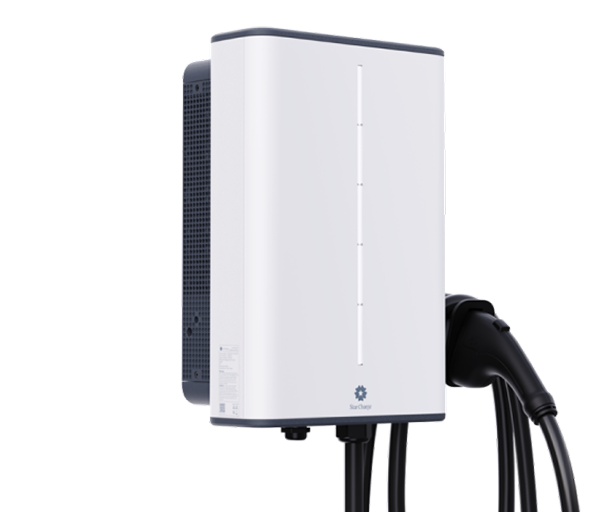
Meet the Star Charge Halo – a next-gen home EV charger built for more than just topping up your battery. With built-in bidirectional capability, the Halo can not only charge your car but also push power back to your home (V2H) or the grid (V2G)*. Designed with smart energy in mind, this compact unit is made to handle Australia’s climate and your evolving energy needs.
Key Features:
– 7.4kW Bidirectional DC Charging
– Supports V2G out-of-the-box (ISO 15118-2)
– V2H-ready for supported vehicles (ISO 15118-20)
– App control via Wi-Fi, 4G, Bluetooth, or Ethernet
– IP65 rated for all-weather, outdoor use
– Silent Mode with auto fan control
– Remote diagnostics and over-the-air updates - Works with home solar & energy management systems
*Vehicle and energy system compatibility required for V2H functionality.
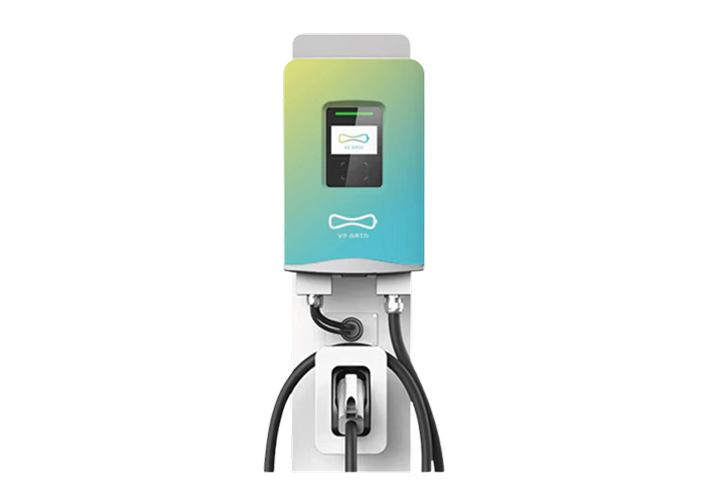
Introducing the V2Grid Numbat-7 – a robust, high-efficiency 7kW bidirectional charger designed for homeowners and energy innovators who want full control of their EV energy flow. Whether you’re storing solar energy or participating in future grid services, this charger has you covered.With V2G and V2H capability, the Numbat-7 allows you to charge your EV and discharge it back to your home or the grid.
Key Features:
– 7kW Bidirectional DC Charging
– V2H & V2G Support
– Compatible with CCS, CHAdeMO, GB/T
– IP65-rated for outdoor and indoor use
– Ultra-quiet operation (<40 dB)
– Optional integration with CAN, Modbus, and Ethernet
– High-frequency transformer isolation for advanced safety
We help you find the right EV charger and take care of getting it installed.
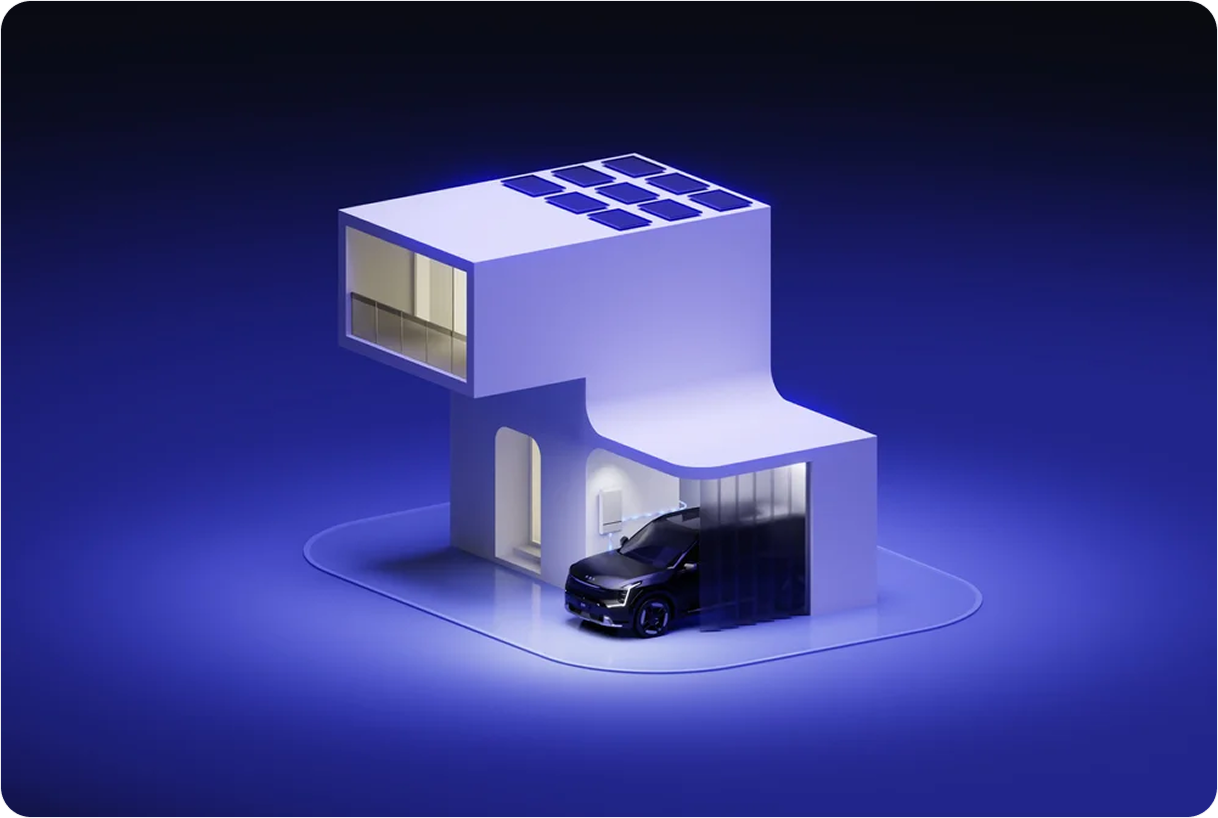
A bidirectional charger turns your EV into a power source. Power your home with Vehicle-to-home (V2H), and supply the grid with Vehicle-to-grid (V2G).

No. Your EV must support DC charging and be compatible with the ISO 15118 standard. V2G typically requires ISO 15118-2, while V2H may require ISO

Star Charge Halo: 7.4kWV2Grid Numbat-7: 7kW Each adds around 40–50 km of range per hour, depending on your vehicle.

Yes. Both are designed for 230V single-phase residential setups and are IP65 rated, meaning they’re safe for both indoor and outdoor installation.

Yes. Both are designed for 230V single-phase residential setups and are IP65 rated, meaning they’re safe for both indoor and outdoor installation.

Yes. When used with an energy management system and a compatible EV, both units can charge from solar power and discharge that energy back to your home or the grid.

Many new EVs support V2G (ISO 15118-2). V2H requires ISO 15118-20 and may need a firmware upgrade or energy system integration. Always confirm your EV’s compatibility before purchasing.

Star Charge Halo: via app using Wi-Fi, 4G, Bluetooth, Ethernet, RS485V2Grid Numbat-7: via CAN, Modbus, or Ethernet (optional) Both support remote monitoring and diagnostics.

Can’t find the answer you’re looking for? Chat with our support team.
Posted on Google
 Eddie Peregrina1 days ago
Trustindex verifies that the original source of the review is Google.
The Revcharge team was very professional. They arrived on time and just went thru the job methodically.Posted on Google sharath kumar3 days agoJohnny from RevCharge did an excellent job installing my EV charger. He was professional, friendly, and efficient, and the installation was completed to a high standard. Really happy with the service and would definitely recommend Johnny to anyone needing an EV charger installed.Posted on Google
 Mark T3 days agoWow - what a great company to do business with and their cadre of professionals in my view - is superb in every respect. After speaking to Caetano, one of their company directors at the Everything Electric Show held recently in Sydney about the issues we had with our WallBox branded home wall charger, Caetano promptly arranged a replacement charger on-the-spot. That's great customer care and a testament to Revcharge's commitment to ensuring their customers are looked after - dedicated service and support even after the sale. Well done Recharge and eager to continue my business with this firm - now and in the future! Thanks.Posted on Google
 Fred Dalleau14 days agoGreat and neat install and could see they took pride in their job. Went above and beyond trying to solve an issue with the charger outside of their control.Posted on Google
 Tib14 days agoThe installation booking happened within a week of accepting the quote, my complimentary charger was shipped the same day I picked up my EV & communication including customer follow-up was excellent. The installers arrived on time, were friendly & efficient, explained their work before & after the job & did excellent work in what was a difficult installation. The worksite was cleaned before they left.+0Posted on Google
 Brian Quintal18 days agoTeam from Revcharge very professional, efficient and gave excellent operational advice.Posted on Google
 Stephen Maden (Steve)18 days agoSuper-fast and professional service. very happy with charger installed. Would recommend to anyone.Posted on Google
 Angel Ngang24 days agoHad a Tesla wall charger installed. The entire process was very smooth from ordering to the final installation. Price is competitive and upfront, no hidden fees. Installer organised quickly and showed up on time. Charger was professionally installed. Just great services overall. Would Recommend.Posted on Google
 Gonzalo Merat25 days agoExcellent experience with Revcharge. I got my home EV wall charger installed in under a week from first contact, which was much faster than I expected. Their price was the most competitive out of everyone I got quotes from, and the installation itself was clean, efficient, and well thought out. Highly recommend if you're looking to get a charger installed without the usual hassle and delays.Posted on Google
 Michael Tadrous25 days ago⭐⭐⭐⭐⭐ Great service from RevCharge! A special thank you to MJ from customer service, who was incredibly responsive, helpful, and friendly throughout the whole process. Everything was organised quickly and smoothly, and the EV charger was installed within a week. Really happy with the service and would definitely recommend RevCharge to anyone looking for a reliable EV charger installation! 🚗⚡️+0


Posted on GoogleEddie Peregrina1 days agoThe Revcharge team was very professional. They arrived on time and just went thru the job methodically.Posted on Googlesharath kumar3 days agoJohnny from RevCharge did an excellent job installing my EV charger. He was professional, friendly, and efficient, and the installation was completed to a high standard. Really happy with the service and would definitely recommend Johnny to anyone needing an EV charger installed.Posted on GoogleMark T3 days agoWow - what a great company to do business with and their cadre of professionals in my view - is superb in every respect. After speaking to Caetano, one of their company directors at the Everything Electric Show held recently in Sydney about the issues we had with our WallBox branded home wall charger, Caetano promptly arranged a replacement charger on-the-spot. That's great customer care and a testament to Revcharge's commitment to ensuring their customers are looked after - dedicated service and support even after the sale. Well done Recharge and eager to continue my business with this firm - now and in the future! Thanks.Posted on GoogleFred Dalleau14 days agoGreat and neat install and could see they took pride in their job. Went above and beyond trying to solve an issue with the charger outside of their control.Posted on GoogleTib14 days agoThe installation booking happened within a week of accepting the quote, my complimentary charger was shipped the same day I picked up my EV & communication including customer follow-up was excellent. The installers arrived on time, were friendly & efficient, explained their work before & after the job & did excellent work in what was a difficult installation. The worksite was cleaned before they left.+0Posted on GoogleBrian Quintal18 days agoTeam from Revcharge very professional, efficient and gave excellent operational advice.Posted on GoogleStephen Maden (Steve)18 days agoSuper-fast and professional service. very happy with charger installed. Would recommend to anyone.Posted on GoogleAngel Ngang24 days agoHad a Tesla wall charger installed. The entire process was very smooth from ordering to the final installation. Price is competitive and upfront, no hidden fees. Installer organised quickly and showed up on time. Charger was professionally installed. Just great services overall. Would Recommend.Posted on GoogleGonzalo Merat25 days agoExcellent experience with Revcharge. I got my home EV wall charger installed in under a week from first contact, which was much faster than I expected. Their price was the most competitive out of everyone I got quotes from, and the installation itself was clean, efficient, and well thought out. Highly recommend if you're looking to get a charger installed without the usual hassle and delays.Posted on GoogleMichael Tadrous25 days ago⭐⭐⭐⭐⭐ Great service from RevCharge! A special thank you to MJ from customer service, who was incredibly responsive, helpful, and friendly throughout the whole process. Everything was organised quickly and smoothly, and the EV charger was installed within a week. Really happy with the service and would definitely recommend RevCharge to anyone looking for a reliable EV charger installation! 🚗⚡️+0

Contact: Mon – Fri, 9am – 5pm
hello@revcharge.com.au
PH: 1300 711 649
Head office: L26, 1 Bligh St Sydney NSW 2000