
How Long Does It Take To Charge an Electric Car?
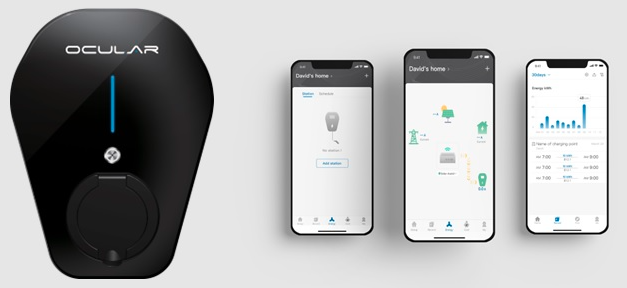
The main inconvenience with EVs is the time it takes to charge them, but this can be solved by using a high-power home charging point that fully charges the vehicle overnight, or by using a public charger. In this article, we will be explaining the different charging levels for EV chargers, the estimated charging times for different EVs, and more
Electric Vehicle Home Charging Options

Australian EV drivers spend 70% less money by charging EVs at home than they do by filling petrol or diesel tanks for normal internal combustion engines, and they can also access additional financial benefits. It’s a great time to purchase and own an EV!
Electric Vehicle Load Management & Power Sharing
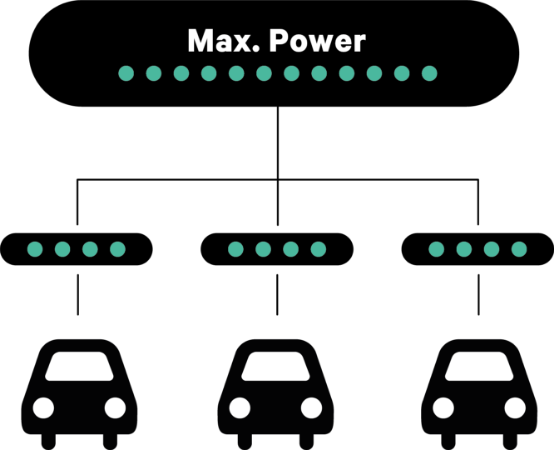
Thanks to power sharing and load balancing for electric vehicles, EV chargers will be able to safely power more than one EV per home. As more people adopt EVs, they’ll be needing better charging technology to charge two vehicles at once, for example.
Electric Car Charging Solutions for Apartments
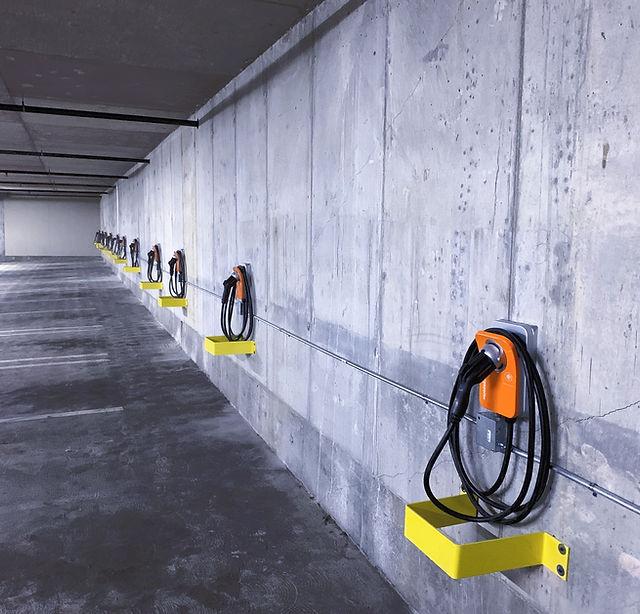
Charging an Electric Vehicle (EV) at home is an essential part of the complete EV experience. If you can charge your EV at home, you will avoid spending idle time at charging stations, however, this is easier said than done for EV drivers living in apartment buildings. Most buildings developed in certain states after 2023 will be EV ready, but this is not the case for old buildings.
What Is the V2L (Vehicle To Load) Feature on EVs?
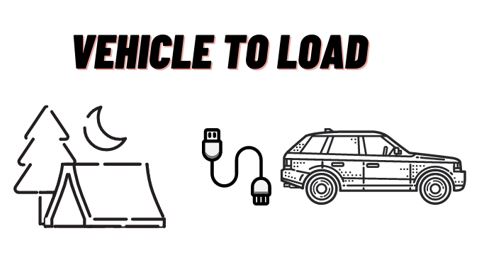
Electric Vehicles (EVs) have a considerable battery storage system to extend their driving range, but what if you could use these batteries for more than just driving?
With bidirectional capable EVs, you can now use your EV batteries in more ways than one. Vehicle to Load (V2L) gives you autonomy during camping trips, power outages, and more, so that you can use the power from your car to power electrical appliances and more.
Single-Phase vs Three-Phase EV Chargers
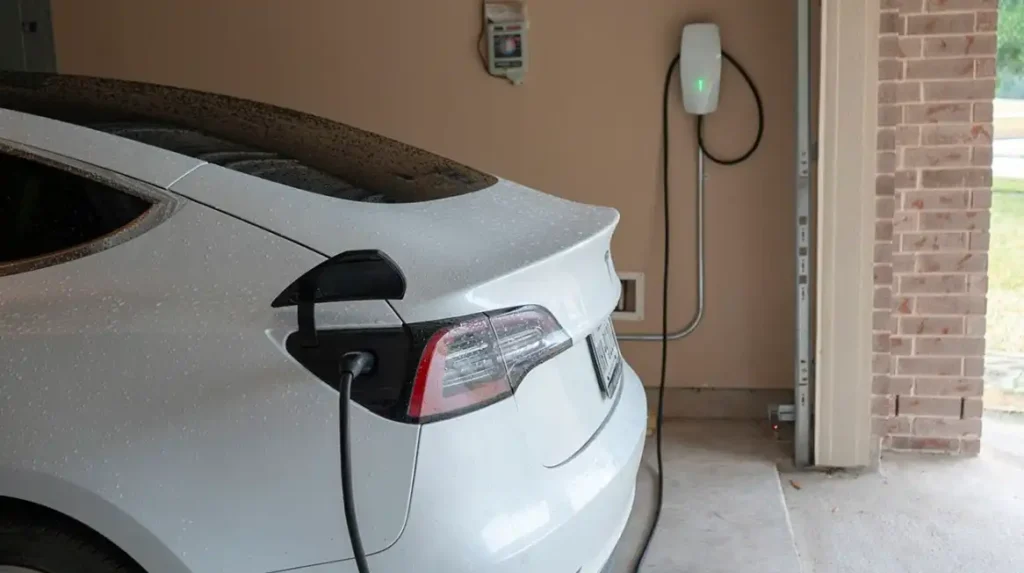
Level 2 AC EV chargers can be operated with a single-phase or a three-phase power supply. Most Australian homes have a single-phase electrical connection, and so single-phase EV chargers are the preferred choice for residential applications. However, homes featuring a three-phase connection can have many benefits by installing a three-phase EV charging station.
Top 10 Myths and Facts about Electric Vehicles
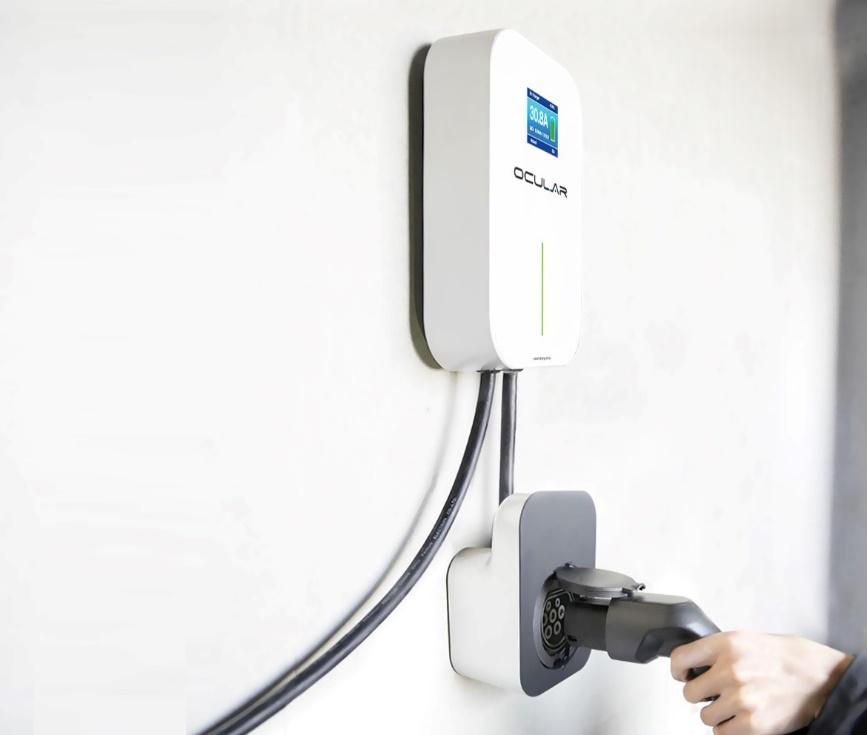
EVs currently represent 3.39% of the new vehicle sales in Australia. One of the main reasons why Australians are not more heavily investing in the EV uptake is because of misinformation. This is why it is important to debunk these myths with facts
How to Install an Electric Car Charger at Home

The electric vehicle market in Australia is expected to grow by approximately 22% annually between 2022 and 2027, which will represent an increase of nearly 71,900 electric cars on the roads of Australia by the end of 2027. With such a large demand of EVs, there will also be a large demand for devices that can power those cars, and that means a lot of EV chargers!
A Guide to EV Charging Connector Types
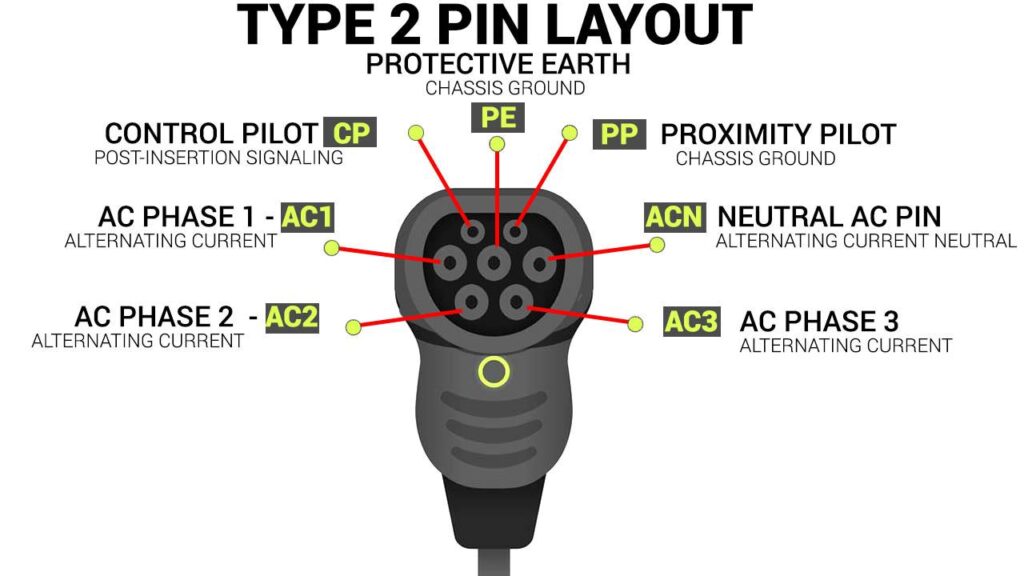
Even though the Tesla Model 3 is the most popular Electric Vehicle (EV) in Australia, the number of EV models in the market is increasing everyday.
With so many EVs in the market and more on their way, it is important to know the right EV connector for your car, especially when purchasing new EV chargers. Keep in mind that not only there are multiple types of EV chargers, but there are also multiple EV connectors. In this article, we explain the standard covering EV plugs, the difference between AC and DC connectors, available EV connectors in Australia, and the possibility to convert connectors between them for easier charging.
The Cost to Charge an Electric Car in Australia
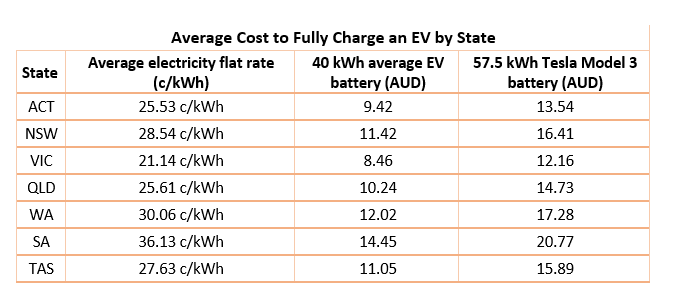
Driving Electric Vehicles (EVs) is considerably cheaper than Internal Combustion Engine (ICE) ones (your stock-standard petrol engine). The cost to drive 100 km is on average estimated at $4 for EVs and $14 for ICE vehicles. Learning the basics on the cost of charging an electric car in Australia can help you determine your driving expenses.